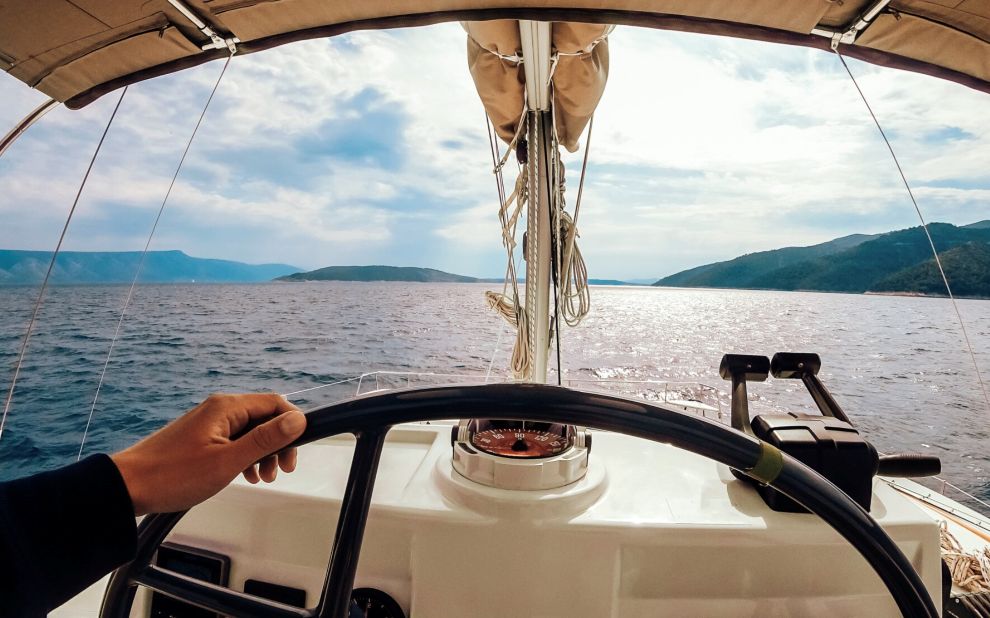
Exploring remote waterways can be one of the most rewarding ways to connect with nature and enjoy a sense of freedom.
From gliding through quiet rivers surrounded by untouched landscapes to navigating coastal inlets far from crowded marinas, water travel offers experiences that are difficult to replicate on land. Yet, venturing into these isolated areas also presents unique challenges, particularly when it comes to maintaining communication. Whether for safety, navigation, or staying in touch with loved ones, connectivity becomes a crucial factor in ensuring a secure and enjoyable journey.
While modern technology has made communication easier than ever, remote waterways often remain outside the reach of conventional mobile networks. In many regions, cellular coverage is limited or nonexistent, leaving travelers without their usual methods of communication. This can make planning, coordinating with others, and responding to emergencies more complicated. Recognizing these limitations before setting out is essential to avoid unexpected problems and maintain a sense of security while exploring unfamiliar waters.
The benefits of staying connected extend beyond safety. Being able to check weather updates, share your experiences, or communicate with fellow travelers enhances the overall adventure. For families and solo adventurers alike, having reliable means of communication can bring peace of mind, ensuring that even in the most secluded locations, help is never far away. Proper preparation and knowledge of available tools can transform a remote waterway trip from a risky endeavor into a safe and memorable experience.
Essential communication devices for remote waterways
Maintaining reliable communication while navigating isolated waterways requires understanding the range of devices available. Among the most trusted options are satellite phones, handheld radios, and a VHF marine radio. Each has distinct advantages and is suited to specific conditions. Satellite phones offer global coverage, making them ideal for extremely remote locations, though they can be costly and require a clear view of the sky. Handheld radios provide portability and convenience, but their range is often limited by terrain and water conditions.
Marine radios are especially useful for boating and water-based exploration. They operate on dedicated marine frequencies and allow communication with other vessels, marinas, and coastguards. Many models include features such as emergency channels, weather alerts, and GPS integration, making them indispensable for navigation and safety. A radio can serve as a lifeline in areas where mobile phones fail, ensuring contact with nearby help or emergency services.
When selecting communication devices, it is essential to consider battery life, durability, and ease of use. Waterproofing and resistance to harsh weather conditions are critical, as electronics are exposed to wind, spray, and sun during water adventures. Planning for backup power, such as rechargeable batteries or solar chargers, ensures that devices remain operational for the duration of the trip. Investing in reliable communication technology is not only practical but a critical component of responsible waterway exploration.
Planning routes and staying informed
Thorough planning is the foundation of safe and connected travel on remote waterways. Before setting out, it is important to map routes carefully, identifying areas with potential coverage gaps and alternative communication options. Using updated navigation charts, tide schedules, and regional guides allows travelers to anticipate challenges and plan accordingly. Incorporating check-in points at predictable locations or known landmarks ensures that someone on land is aware of your progress.
Weather monitoring is another vital aspect of connectivity and safety. Water conditions can change rapidly, especially in coastal or river environments. Devices can provide real-time weather updates and alerts from local stations, offering crucial information about approaching storms, high winds, or flooding. Understanding these reports allows for informed decisions, helping travelers avoid hazardous conditions and adjust their route or schedule as needed.
Communication plans should also include protocols for emergencies. Establishing signals, check-in schedules, and contact points reduces the risk of miscommunication. Travelers should inform friends or family about expected routes, estimated travel times, and any contingencies in case of device failure. By combining reliable technology with careful planning, adventurers can navigate remote waterways with confidence, knowing they have both the tools and strategy to remain connected throughout the journey.
Integrating technology and practical strategies
Even with the best devices, technology alone is not enough to ensure uninterrupted communication. Practical strategies complement equipment to maximize connectivity. Positioning yourself or your vessel in open areas, away from obstructions like cliffs or dense vegetation, improves signal reception for both radios and satellite devices. Keeping antennas properly oriented and unobstructed can significantly enhance the performance of a communication tool.
Maintaining redundancy is another key strategy. Carrying multiple devices or alternative forms of communication provides security in case one device fails. For instance, pairing a VHF marine radio with a satellite messenger ensures that even if local channels are unavailable, emergency contact remains possible. Additionally, learning basic signaling techniques, such as flags, lights, or whistle codes, provides an additional layer of safety for situations where electronics may fail completely.
Understanding the local regulations and protocols for waterway communication is also essential. Certain frequencies may be reserved for emergencies, and operators are expected to follow specific procedures to avoid interference. Familiarity with these rules not only ensures compliance but improves the effectiveness of communication in real scenarios. Combining technology, practical knowledge, and redundancy strategies allows travelers to maintain a high level of connectivity and preparedness, even in the most isolated water regions.
Navigating safely and connected in remote waters
Exploring remote waterways offers unparalleled opportunities for adventure, but it comes with inherent communication challenges. Emphasizing preparation, understanding the tools available, and integrating practical strategies creates a safe and enjoyable experience. Devices such as a marine radio provide essential links to help, weather updates, and fellow travelers, enhancing both safety and enjoyment.
By carefully planning routes, monitoring conditions, and maintaining multiple communication options, adventurers can confidently navigate waterways that might otherwise feel inaccessible. Knowledge of local regulations, environmental considerations, and emergency protocols further strengthens preparedness, ensuring that every journey is not only memorable but secure. Staying informed and connected allows travelers to focus on the pleasure of exploration without unnecessary worry.
Ultimately, balancing technology with practical techniques transforms remote waterway trips into experiences that are both safe and fulfilling. Whether you are a seasoned boater, a family on a summer holiday, or a solo adventurer seeking solitude, proper communication strategies provide the assurance needed to embrace adventure fully. Maintaining connection in isolated waters is more than a convenience; it is a critical component of responsible and rewarding exploration.